
Travelling when your schedule is packed can feel overwhelming. However, effective planning and smart strategies can make your trips smoother and more enjoyable without taking time away from your busy life.
The best travel tip for busy people is to prioritise efficient packing, digital organisation, and time-saving tools to reduce stress and maximise your experience. These methods help you stay organised and flexible, no matter how tight your schedule is.
By focusing on simple, practical steps tailored to your lifestyle, travel can become a welcome break rather than an added burden. This approach lets you enjoy your journey while managing responsibilities.
Essential Packing Strategies
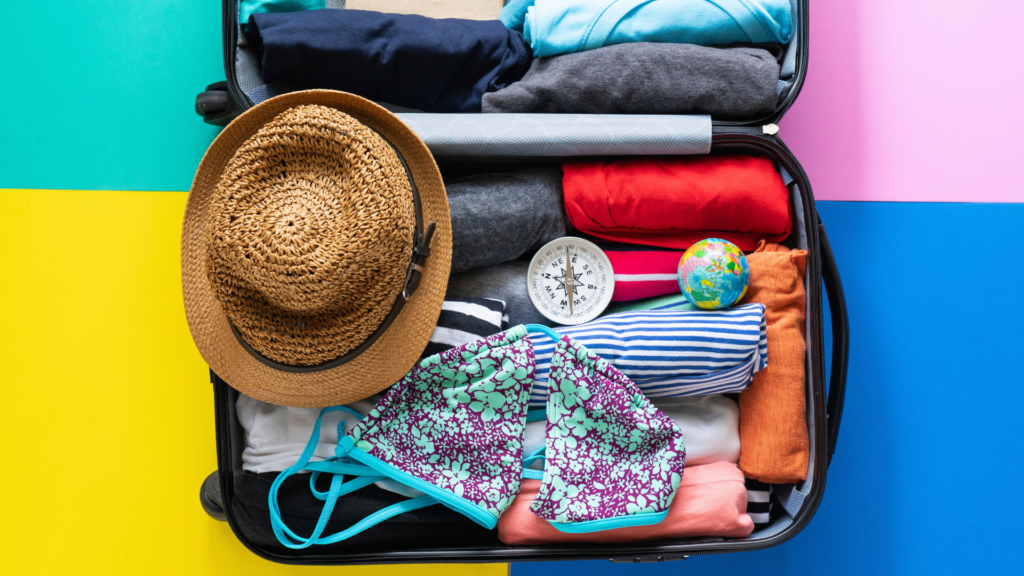
Efficient packing is crucial for saving time and reducing stress during travel. Choosing the right items and equipment can significantly streamline your trip. Adapting your packing to different destinations without overpacking ensures flexibility and comfort.
Minimalist Packing for Efficiency
Focus on bringing versatile clothing items that can mix and match easily. Choose neutral colours tomaximisee outfit combinations and reduce the number of pieces needed.
Limit toiletries to travel-sized essentials; many accommodations provide basic products. Use packing cubes to compartmentalise your items and keep your bag organised.
Plan outfits based on your trip’s activities and weather. Avoid overpacking by sticking to what you will realistically use. Leave behind non-essential accessories and bulky items.
Smart Luggage and Travel Gear
Select lightweight, durable luggage with smooth-rolling wheels to ease movement. A carry-on with organised compartments reduces time spent digging through your bag.
Use compression bags or packing cubes to maximise space and keep clothes wrinkle-free. Include a reusable tote or foldable daypack for daily excursions.
Invest in a quality travel pillow and portable charger for comfort and convenience. Ensure your luggage meets airline size limits to avoid extra fees or delays.
Packing for Multiple Climates
Layering is key when facing varying temperatures. Pack thin, breathable pieces that can be combined with warmer layers as needed.
Include a compact, waterproof jacket for unexpected rain or wind. Select versatile shoes suitable for both warm and cooler conditions to avoid carrying extras.
Use a digital packing list tailored to your destinations to avoid forgetting specific items. Prioritise light fabrics that dry quickly if you need to wash clothes during your travels.
Time-Saving Planning Techniques
Effective travel planning focuses on swift organisation, using tools that reduce manual effort, and adopting adaptable schedules to handle unexpected changes. Strategies for fast itinerary creation, streamlined booking, and maintaining flexibility help maximise productivity without sacrificing enjoyment.
Quick Itinerary Design
Start by selecting must-see destinations and activities before filling in minor details. Prioritise locations based on proximity and time needed to fully experience them. Use simple lists or timeline apps to visualise daily plans.
Limit daily activities to two or three main stops to avoid rushing. Include buffer times for travel and rest. Group nearby attractions to minimise transit time.
Pre-made itinerary templates and travel forums are valuable for rapid planning. Save time by adapting existing itineraries rather than creating your entire schedule from scratch.
Efficient Travel Booking Tools
Use platforms like Google Flights, Skyscanner, and Hopper to compare fares quickly across multiple airlines. Enable price alerts to catch drops without constantly checking.
Book accommodations via sites with flexible cancellation policies and filters for immediate booking confirmation. Consider apps that consolidate hotel, flight, and car rental bookings for one-click transactions.
Utilise browser extensions and mobile apps that auto-fill traveller details to speed up checkout. Organise all bookings in one place with digital travel planners or email apps that automatically generate trip summaries.
Flexible Scheduling Approaches
Build flexibility into your schedule by allowing free periods for unexpected opportunities or delays. Avoid rigid time blocks.
Use adjustable calendar apps like Google Calendar or TripIt that sync changes instantly across devices.
Plan alternative activities near your main destinations to switch easily if initial plans fall through. Keep some time unallocated for rest or exploration.
Communicate your flexible plan with travel companions to manage expectations and reduce stress during changes.
Seamless Airport and Security Tips
Reducing waiting times and navigating airport checkpoints efficiently can save crucial minutes when travelling on a tight schedule. Smart use of available services and preparation for security procedures are essential steps.
Fast-Track Airport Procedures
Enrol in trustedtravellerr programs like TSA PreCheck, Global Entry, or CLEAR to bypass regular lines. These services often provide expedited security screening and faster boarding, reducing time spent in queues.
Many airlines and airports offer priority lanes for business or first-class passengers. Purchasing access to fast-track lanes can be worthwhile if you frequently travel through busy airports.
Arrive early but timed; too early means longer wait near gates, while too late risks missed flights. Use airline apps to get updates on gate changes or boarding times to avoid unnecessary waiting.
Optimising Security Checkpoints
Prepare your carry-on by placing electronics and liquids in easy-to-access containers. Follow the 3-1-1 rule for liquids: containers of 3.4 ounces (100 ml) or less, all fitting in a 1-quart clear bag.
Wear slip-on shoes and limit metal accessories to speed up scanning. Have boarding passes and IDs ready before entering security lines to avoid delays.
Stay alert for instructions and remove prohibited items in advance. This reduces the chance of secondary screenings that can add time. Keeping calm and following procedures carefully helps maintain flow at checkpoints.
Streamlined Work and Connectivity Solutions
Maintaining productivity while travelling requires careful planning and the right tools. Efficient work setups and reliable connectivity can save time and reduce stress.
Remote Work on the Go
Setting up a portable workspace is essential for busy travellers. A lightweight laptop or tablet with extended battery life ensures work can continue without frequent charging. Investing in noise-cancelling headphones helps maintain focus in noisy environments like airports or cafés.
Secure internet access is critical. Using a personal hotspot or a trusted VPN protects data on public Wi-Fi networks. Pre-downloading work files and organising digital tools minimises downtime. Scheduling work hours around different time zones also improves productivity.
Best Apps for Frequent Travellers
Certain apps enhance efficiency and connectivity during travel. Email management apps like Spark or Outlook allow for quick sorting and responding, saving time on the move. Cloud storage services such as Google Drive or Dropbox ensure files are accessible anywhere.
Communication apps like Slack or Microsoft Teams keep remote teams connected. Travel-focused apps like TripIt organise itineraries and send real-time updates to avoid delays. Battery management apps help monitor device usage to prevent unexpected shutdowns.
| App Category | Recommended Apps | Key Benefit |
| Email Management | Spark, Outlook | Fast sorting and response |
| Cloud Storage | Google Drive, Dropbox | Easy file access |
| Team Communication | Slack, Microsoft Teams | Seamless remote collaboration |
| Travel Planning | TripIt | Organised itineraries, alerts |
| Battery Management | AccuBattery | Optimises device usage |
Maximising Comfort and Wellness
Effective travel requires conscious effort to maintain energy, nutrition, and proper rest. Adapting simple routines can make a significant difference in physical and mental well-being during busy trips.
Staying Energised During Travel
Plan for regular hydration by drinking water every hour, especially on flights or long drives. Avoid excessive caffeine, as it can lead to dehydration and energy crashes.
Wear comfortable, layered clothing to adapt to temperature changes easily. Short walks or stretching exercises every 60-90 minutes help reduce fatigue and improve circulation.
Pack portable snacks high in protein and fibre to maintain steady energy. Items like nuts, protein bars, or fruit prevent blood sugar dips that cause tiredness.
Healthy Eating on Tight Schedules
Prioritise meals with balanced macronutrients: lean protein, complex carbs, and healthy fats. This balance helps sustain energy and focus.
Use apps to find healthy dining options near your location. Pre-order meals when possible to save time and avoid less nutritious fast food.
Carry easy-to-pack foods like dried fruit, seeds, or yoghurt cups. Avoid heavy, greasy meals that can lead to sluggishness and digestive discomfort.
Managing Jet Lag for Busy Lifestyles
Adjust sleep schedules gradually before departure to match the destination’s time zone. Exposure to natural light upon arrival helps reset your internal clock.
Limit alcohol and caffeine intake 4-6 hours before sleep to improve rest quality. Use eye masks and earplugs to create an optimal sleep environment, especially on planes orin noisy hotels.
Short naps of 20-30 minutes can boost alertness without interfering with nighttime sleep. Staying active and hydrated after arrival also reduces jet lag symptoms.
Effortless Accommodation Selection
Selecting the right place to stay can save valuable time and reduce stress. Focus on locations and services that streamline your travel experience while maximising comfort and efficiency.
Choosing High-Convenience Lodging
Opt for accommodations near major transit hubs, business districts, or event venues to cut down on commuting time. Hotels with 24/7 front desk service and on-site dining simplify late arrivals and early departures.
Check for amenities like fast Wi-Fi, reliable parking, and easy access to public transportation. Use filters on booking platforms to shortlist options with express check-in/out and flexible cancellation policies. Proximity to grocery stores or pharmacies also adds convenience, especially on short trips.
Loyalty Programs and Upgrades
Enrol in hotel loyalty programs to earn points that can be redeemed for free nights or room upgrades. Frequent ttravellersbenefit by accessing priority services such as early check-in, late check-out, and complimentary breakfast.
Some memberships offer exclusive perks like free Wi-Fi, lounge access, or better room selection. Prioritise chains known for consistent service standards and transparent reward structures. Regularly monitor offers to maximise value without extra effort.
Safety and Security Practices for Fast-Paced Travel
Maintaining awareness and taking specific precautions are essential when travelling quickly. Prioritising the security of valuables and staying updated on potential local dangers can prevent disruptions and ensure smoother trips.
Protecting Your Belongings
Use a money belt or RFID-blocking wallet to secure your cash, credit cards, and ID. Keep valuables close to your body, preferably in front pockets or inside bags with lockable zippers. Avoid carrying all your important items in one place.
When staying in hotels or shared accommodations, use portable door alarms or door wedges for extra security. Always utilise hotel safes for passports and electronics if available.
Carry a compact backpack or crossbody bag designed with anti-theft features like slash-resistant straps and hidden compartments. Stay vigilant in crowded places to minimise pickpocket risks.
Staying Informed of Local Risks
Research your destination’s most recent safety advisories before arrival. Check government travel sites for weather warnings, political unrest, or health alerts.
Use a local news app or website for real-time updates during your trip. Register with your embassy if visiting high-risk areas.
Avoid unfamiliar neighbourhoods after dark and keep emergency numbers handy on your phone. Knowing basic local emergency procedures will speed up your response if needed.
Leveraging Travel Rewards and Savings
Effective use of travel rewards and targeted deals can significantly reduce trip costs while adding convenience. Focused strategies on points accumulation and accessing exclusive offers maximise benefits for busy travellers. Maximising Credit Card Points
Choose credit cards that offer high rewards on travel-related purchases such as flights, hotels, and dining. Pay attention to welcome bonuses, which often provide enough points for a free flight or hotel stay after meeting spending thresholds.
Use cards that allow flexible point redemption across multiple airlines and hotel chains. Track promotions like double points on business expenses or travel bookings to accelerate point earning.
Set payments on autopay to avoid interest and fees that negate rewards. Regularly review your card’s rewards program changes to stay informed about the most valuable redemptions.
Exclusive Travel Deals for Busy Professionals
Many travel platforms and apps curate deals specifically for professionals with limited time. Signing up for newsletters or loyalty programs can provide early access to flash sales and business travel discounts.
Look for bundled offers combining airfare with hotels or car rentals, which save both money and booking time. Corporate discount programs often extend to freelancers and small business owners, so check eligibility requirements.
Using tools like price alerts helps monitor fare drops without constant searching. Prioritise flexible tickets and cancellation policies to accommodate unpredictable schedules.
Maintaining a Balanced Lifestyle While Travelling
Balancing personal well-being and relationships during travel requires deliberate effort. Staying connected and carving out downtime can improve overall productivity and satisfaction.
Keeping Social Connections Strong
Use technology to maintain regular contact with family and friends. Schedule short daily calls or video chats to stay updated on important events and provide emotional support.
Plan to meet up with locals or acquaintances when possible. These social interactions can prevent feelings of isolation and provide cultural insights that enhance your travel experience.
When ttravellingfor extended periods, share your itinerary with close contacts for safety. Setting boundaries around work hours also helps protect time to nurture relationships despite a busy schedule.
Integrating Leisure into Work Trips
Reserve specific blocks of time for leisure activities, even on tight schedules. A 30-minute walk or visit to a local cafe can refresh your mind and boost creativity.
Prioritise nearby attractions or experiences to maximise limited free time. Use weekends or downtime between meetings for short, enjoyable outings that don’t overly disrupt commitments.
Utilise hotel amenities such as gyms or spas to relax without spending extra time travelling. Small, planned breaks contribute to maintaining energy levels andreducinge burnout during travel.
Conclusion
Travelling while managing a busy schedule is achievable with careful planning and practical strategies. Prioritising essentials and minimising unnecessary tasks can save valuable time.
Using technology like travel apps and online check-ins streamlines many parts of the journey. Packing smartly with versatile clothing and organised luggage also reduces hassle.
Maintaining flexibility allows for adapting to unexpected changes without stress. Simple habits like setting reminders and keeping important documents accessible help avoid last-minute problems.
Key takeaways:
- Plan ahead, but stay adaptable
- Use tools to automate and organise
- Pack efficiently for convenience
- Prioritise rest and well-being
These straightforward approaches make travel smoother and more manageable, even in a tight schedule. Time constraints don’t have to limit your ability to explore and enjoy new places.