
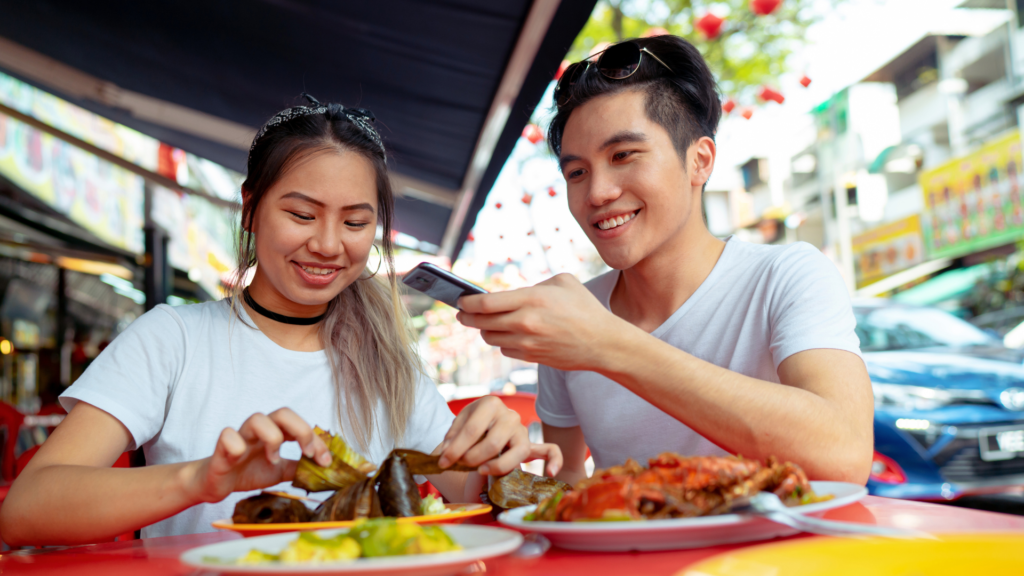
Travelling often means spending more on food than usual, but it’s possible to eat well without breaking the budget. One of the best ways to save money on food while travelling is to plan ahead by shopping at local grocery stores and preparing your own meals.
Eating out less frequently and choosing street food or local markets over restaurants can also significantly reduce food expenses. Being mindful about where and how you eat allows you to enjoy local flavours without overspending.
This approach not only saves money but often results in a more authentic and satisfying travel experience. Learning simple budgeting strategies for meals can make your trip more affordable and enjoyable.
Planning Your Food Budget
Knowing how much to spend and where to focus your funds is essential for managing food expenses on a trip. Smart budgeting involves realistic planning, researching costs beforehand, and reserving money for memorable meals.
Setting a Realistic Food Budget
Begin by determining a daily allowance that matches your travel style and destination. Use data from travel forums, budgeting apps, or guidebooks to find average meal prices.
For example, a budget traveller might allocate $10–$15 per day, while a more flexible eater could plan for $30–$50. Factor in meal frequency (three meals or two plus snacks) and local currency fluctuations when finalising your budget.
Track your spending closely during the trip to adjust your daily food allowance as needed. This practice avoids surprises and helps maintain financial control.
Researching Destination Food Costs
Investigate average meal prices before you leave. Use online resources like local restaurant menus, travel blogs, and apps such as Numbeo or XE Currency. This gives a realistic picture of what to expect.
Consider meal types separately: street food, casual dining, and groceries. Street food often costs less but may vary in safety and quality. Buying groceries for some meals can drastically reduce costs.
Example table of estimated meal costs:
| Meal Type | Estimated Cost (Local Currency) | Cost in USD (approx.) |
| Street food | 3–5 | $2–$4 |
| Casual dining | 8–15 | $6–$12 |
| Groceries (per meal) | 2–6 | $1.50–$5 |
This insight helps plan realistic daily spending and avoid overestimating expenses.
Allocating Funds for Special Meals
Reserve part of your budget for special dining experiences like a fine restaurant or local delicacies. Decide how often you want to indulge and set a maximum amount for each occasion.
Prioritise these meals based on significance—cultural importance, celebration, or curiosity. Allocate around 10-20% of your total food budget for such experiences to prevent overspending.
Plan these costs separately from daily meals to make budgeting easier. This ensures you enjoy memorable food moments without compromising overall spending limits.
Smart Grocery Shopping While Travelling.
Travellers can reduce food costs significantly by knowing where to shop and what to buy. Prioritise local stores over tourist spots, select versatile staples, and consider bulk purchases to stretch your budget without sacrificing nutrition.
Finding Local Markets and Supermarkets
Seek out local markets for fresh produce and regional specialities at lower prices than in tourist areas. Open-air markets often offer seasonal fruits, vegetables, and handmade goods at competitive rates. Use apps or ask locals to find authentic and affordable shopping spots.
Supermarkets provide consistent prices and familiar brands. Look for stores outside city centres or malls to avoid inflated costs. Many supermarkets have budget sections or discounts on items nearing expiration, which can be a good deal for ttravellersplanning to consume quickly.
Choosing Affordable and Nutritious Staples
Focus on staples that are filling, nutritious, and easy to prepare. Examples include rice, beans, pasta, eggs, and seasonal vegetables. These foods provide energy and essential nutrients without high expense.
Buy proteins like canned tuna or legumes, which are cost-effective and store well. Avoid overly processed or imported products, as they tend to be pricier. Prioritise foods that do not require complex cooking methods to save time and fuel costs.
Buying in Bulk to Save Money
When possible, purchase items in larger quantities to benefit from reduced unit prices. Bulk buying is especially useful for dry goods such as grains, nuts, and dried fruits.
Make sure you can store or consume bulk items before they spoil. If travelling light, consider splitting bulk purchases with other travellers or choosing resealable packaging for freshness. Bulk buying works best when you have access to kitchen facilities and storage space.
Preparing Your Own Meals
Cooking while travelling can significantly reduce food costs and offer control over nutrition. Selecting accommodations with kitchen access, using simple recipes, and bringing key cooking tools enables easy meal preparation.
Choosing Accommodations with Cooking Facilities
Look for a place labelled as “kitchenette,” “shared kitchen,” or “self-catering” when booking. Airbnb, hostels, and some budget hotels commonly offer these options. Verify what appliances are available—basic items like a stove, microwave, and fridge are crucial.
Consider the kitchen’s size and cleanliness. A small countertop and sink might be sufficient for simple meals. Having access to local markets nearby also helps with fresh ingredient purchases, making cooking more cost-effective and enjoyable.
Easy Recipes for Travellers
Focus on recipes requiring few ingredients and minimal equipment. Salads, sandwiches, pasta dishes, and stir-fries work well. For example, a pasta with canned tomato sauce and vegetables is quick and filling.
Oatmeal with fruit for breakfast or rice with beans for dinner are nutritious and simple. Pre-prepped or canned ingredients save time. Adjust recipes to what’s fresh and affordable in your travel location.
Packing Essential Cooking Tools
Bring compact, multipurpose tools to avoid bulk. A small chef’s knife, a cutting board, and a reusable container are useful. A lightweight pot or pan that fits a single burner or portable stove works well.
Other items to include: a can opener, travel-sized spices, and a collapsible measuring cup or spoon set. Keep tools durable but lightweight for easy transport. Avoid bringing anything too large or specialised.
Eating Out on a Budget
Saving money while eating out requires strategic choices about where and when to eat. Prioritising local spots, timing meals right, and avoiding heavily marketed areas can reduce costs significantly.
Finding Local Eateries and Street Food
Local eateries often offer authentic dishes at lower prices than tourist-focused restaurants. Look for places crowded with locals, which usually indicates good food and fair pricing.
Street food vendors provide a budget-friendly option and a chance to try unique local flavours. Be sure to check cleanliness and food preparation standards to avoid health issues.
Asking locals for recommendations can uncover hidden gems away from expensive areas. Use apps or social media to find well-rated, affordable spots in the neighbourhood.
Taking Advantage of Lunch Specials
Many restaurants offer discounted lunch menus with smaller portions at a fraction of the dinner price. These meals often include main courses and drinks or sides bundled together.
Lunch specials typically run between 11 a.m. and 3 p.m., so plan eating times accordingly. This approach allows sampling local cuisine while spending less.
Before ordering, compare the lunch menu with the regular one to ensure the same dish isn’t cheaper à la carte. Some places post these specials online, enabling pre-trip planning.
Avoiding Tourist Traps
Tourist traps frequently overcharge and underdeliver on food quality. Avoid restaurants near major landmarks, as they rely on volume rather than value.
Menu boards with pictures and English-only signs can be signs of tourist traps targeting visitors unfamiliar with local prices. Instead, walk a few blocks away from crowded sites to find better options.
Check restaurant reviews using multiple sources to confirm fair pricing and positive experiences. Favour places where prices are listed clearly to avoid surprise bills.
Leveraging Deals and Discounts
Finding savings on food while travelling often involves using specific tools and timing your meals strategically. Targeting digital offers and local promotions can reduce costs significantly without sacrificing quality.
Using Food Apps and Coupons
Food apps like Yelp, Groupon, and local deal platforms frequently offer discounts, cash-back, or special pricing. Many apps provide first-time user discounts or daily deals for nearby restaurants.
Coupons from tourism centres, hotel desks, or online searches can add to savings. Always check if restaurants accept digital coupons or have social media promotions before dining.
Organise apps by frequency of use and regions visited. Set alerts for price drops or exclusive offers. This approach ensures you never miss limited-time deals that can cut meal expenses by 15-30%.
Seeking Out Happy Hours and Promotions
Happy hours typically offer discounted drinks and small plates in the early evening. These deals usually run from 4 p.m. to 7 p.m., but times vary by location.
Seek out restaurants with rotating daily promotions such as “Taco Tuesdays” or “Wing Wednesdays,” which offer lower costs on specific menu items. Asking locals or checking social media pages can uncover hidden or less-advertised specials.
Using these time-based deals lets you enjoy quality meals at lower prices without compromising on taste or variety. Combine happy hour specials with apps and coupons for maximum savings.
Drinks and Snacks Savings
Saving money on drinks and snacks while travelling requires simple planning and smart choices. Carrying your own water bottle, choosing supermarket snacks, and steering clear of overpriced airport and hotel options can significantly reduce daily expenses.
Bringing Refillable Water Bottles
Carrying a refillable water bottle is an easy way to avoid buying costly bottled water. Many airports and public places now offer water refill stations, allowing you to fill up for free. This reduces plastic waste and saves money during long travel days.
Choose bottles with filters if you’re unsure about local tap water quality. Stainless steel bottles keep drinks cold or hot for hours. Bringing your own water supply prevents impulse purchases when thirsty, especially in tourist-heavy areas.
Buying Snacks at Supermarkets
Supermarkets offer a wide range of affordable snacks compared to convenience stores or tourist shops. Buying fresh fruit, nuts, granola bars, or local specialities saves money and lets you try authentic flavours.
Look for bulk or multi-pack deals. Items like bread, cheese, and deli meats can serve as quick meals or filling snacks. Carry a reusable bag to save on plastic fees and easily transport your snacks during day trips.
Avoiding Airport and Hotel Markups
Prices for drinks and snacks in airports and hotels are often 2 to 4 times higher than in local stores. Avoid these by eating or shopping before arrival or carrying your own supplies.
If you must purchase there, choose smaller portions or share items to lower costs. Hotel minibars tend to be the most expensive option; use nearby convenience stores or vending machines instead for better prices.
Cultural Experiences That Save Money
Engaging with local communities can reduce food expenses while providing authentic cultural insights. Many food-related activities allow travellers to enjoy meals and flavours without relying on expensive restaurants or tourist traps.
Participating in Community Meals
Community meals often happen in local gathering spots such as churches, cultural centres, or neighbourhood events. These meals are typically low-cost or donation-based, allowingtravellerss to enjoy traditional dishes at minimal expense.
Joining a community meal offers a chance to interact with locals and learn about the culture behind the food. It also avoids the markup found in tourist areas, providing genuine, affordable cuisine. Look for announcements on local bulletin boards, social media groups, or community websites for meal events.
Exploring Food Markets for Authentic Experiences
Food markets are hubs of local life where fresh ingredients and ready-to-eat items are often cheaper than in restaurants. Vendors sell seasonal produce, street snacks, and homemade specialities that reflect regional cooking styles.
Shopping at these markets allows sampling various dishes without committing to expensive meals. Bring reusable bags and cash to streamline purchases. Visiting markets in the morning often yields the best deals and freshest options.
Adaptability and Flexibility When Dining
Being flexible with meal timing and food choices can lead to significant savings and a more authentic travel experience. Understanding local customs and staying open to unfamiliar options helps avoid costly tourist traps.
Adjusting to Local Meal Times
Many countries have meal schedules that differ from typical American or Western hours. For instance, in Spain, lunch often starts around 2 p.m., and dinner may not begin until 9 p.m. Eating during off-peak hours or matching these local times can grant access to cheaper, fresher options.
Local markets, street vendors, and small cafés often serve their best meals during standard local times. Avoid restaurants that cater primarily to tourists, as they tend to have inflated prices outside of regular dining hours.
Being Open to New Foods
Trying regional dishes rather than sticking to familiar foods can reduce costs on your trip. Local specialities are frequently made from ingredients sourced nearby, lowering the price compared to imported foods.
Start by sampling street food or small family-run eateries. These tend to offer authentic meals at a fraction of what tourist-heavy areas charge. Consider ingredients that may be uncommon in your home country—rice, pulses, or local vegetables often form the basis of affordable, nutritious dishes.
Conclusion
Saving money on food while travelling requires planning and awareness. Simple habits can lead to significant savings without sacrificing quality or enjoyment.
Key actions to remember:
- Choose local markets over tourist spots
- Prepare some meals yourself when possible
- Look for daily specials or set menus
Being flexible with meal times and locations helps uncover affordable options. Trying street food or smaller, family-run eateries often provides both value and authentic experiences.
Tracking your food expenses during the trip can help adjust your spending habits in real time. Use apps or a simple notebook to keep a clear picture of your budget.
| Tip | Benefit |
| Shop at grocery stores | Save by cooking simple meals |
| Eat where locals eat | Find better prices and flavours |
| Avoid tourist hotspots | Reduce inflated costs |
Adopting these strategies supports a balanced travel budget. It allows for more funds to be spent on experiences rather than costly meals.