
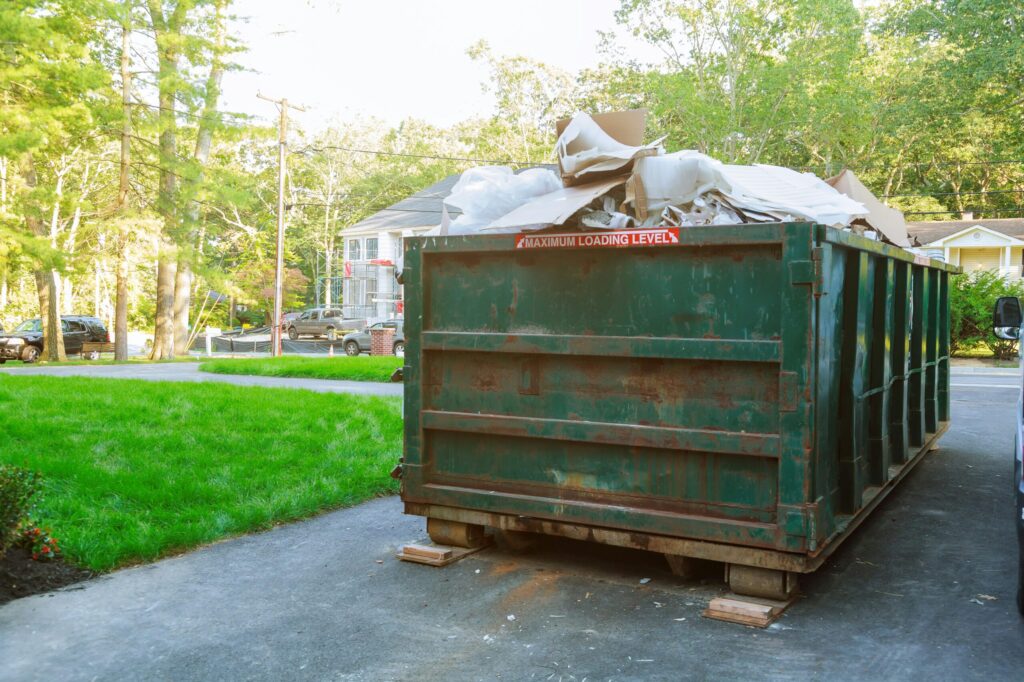
Renovation projects follow rhythms that homeowners learn quickly once work begins. Demolition happens fast and creates chaos. Materials get delivered in waves. Different tradespeople show up in sequence to complete their portions of work. But there’s another rhythm that catches people off guard – the rate at which construction debris accumulates and how quickly it needs to leave the property to keep everything moving forward. When waste removal doesn’t keep pace with waste generation, the entire project grinds to a halt in ways that cost time, money, and sanity. Understanding this dynamic helps prevent the situation where a renovation stalls not because of supply issues or contractor problems, but simply because there’s too much rubbish in the way.
How Debris Accumulation Blocks Work Progress
Construction debris doesn’t just sit neatly in a corner waiting for eventual disposal. It spreads, takes up work areas, blocks access to spaces that need attention, and creates hazards that slow everything down. When a kitchen remodel generates piles of old cabinets, countertops, flooring, and drywall, those materials occupy the exact space where new installations need to happen. Contractors can’t lay new flooring while standing on piles of old flooring material. Plumbers can’t access walls while debris blocks their way.
The problem compounds as work progresses. Day one of demolition produces waste. Day two adds more. By day three, the accumulation reaches levels that interfere with movement through the space. If removal doesn’t happen before day four, workers start tripping over debris, struggling to maneuver materials through cluttered areas, and wasting time moving waste piles around rather than doing actual construction work.
This interference affects every trade that comes through. Electricians need clear access to run wiring. Drywall installers require open spaces to maneuver sheets. Painters can’t work around piles of construction waste. Each delay creates schedule conflicts as contractors have to reschedule for when spaces will actually be workable, pushing the entire project timeline further out.
The Hidden Labor Cost of Unmanaged Waste
Contractors charge for their time, and time spent dealing with debris instead of doing their actual work still goes on the invoice. When a carpenter spends an hour moving waste piles to access a wall, that’s an hour of carpentry rates spent on waste management. When a crew has to halt work because they can’t safely navigate a debris-filled space, those wages continue while productivity stops.
Some contractors build waste management time into their quotes, but many assume homeowners will handle debris removal separately. When that doesn’t happen as expected, the labor inefficiencies add costs that weren’t budgeted. A job quoted for 40 hours might take 50 hours when 10 hours get consumed by waste-related delays and workarounds.
The quality of work can suffer too. Tradespeople working in cluttered, debris-filled spaces can’t perform as precisely as they would in clear areas. They’re more likely to make mistakes, take shortcuts, or produce substandard work simply because the environment makes proper execution difficult. The renovation that was supposed to improve the home ends up with compromised quality because debris management wasn’t prioritized.
Material Delivery Complications
New materials arrive throughout renovations – flooring, fixtures, drywall, lumber, and everything else needed for reconstruction. These materials need somewhere to go when they’re delivered, but debris-filled spaces offer nowhere to put them. Deliveries get refused because there’s no room, delayed until space opens up, or left in inappropriate storage locations where they’re at risk of damage.
This creates its own cascade of delays. When materials can’t be delivered on schedule, the contractors expecting to install them have nothing to work with. They might move to other jobs, making it difficult to get back on the schedule when materials finally arrive. The project that was carefully orchestrated falls into disarray because the logistics of managing both waste removal and material delivery weren’t coordinated properly.
Storage outside isn’t always viable either. Weather can damage materials left exposed. Theft becomes a concern for valuable items sitting unattended. HOA rules might prohibit materials on driveways or yards. The simple solution of “just put new stuff outside until there’s room inside” often isn’t actually possible.
The Timing Challenge of Standard Disposal
Regular waste collection can’t handle construction debris volumes or types. Weekly bin service isn’t designed for hundreds of pounds of building materials appearing suddenly. Taking debris to disposal facilities personally consumes entire days that homeowners often don’t have, especially if they’re trying to work while managing a renovation.
Skip bins solve volume problems but create their own timing issues. They’re delivered on certain days and picked up on others, often with days or weeks between. If demolition happens to align poorly with the skip schedule, debris sits waiting for pickup while preventing progress. Filling a skip partway through a project means either paying for another skip or finding somewhere else to put subsequent waste until the first skip is emptied and returned.
For projects on tight timelines – particularly when trying to complete work before moving in, before selling a property, or ahead of some other deadline – standard disposal methods simply don’t provide the flexibility needed. When debris must leave immediately to maintain momentum, services offering Same Day Rubbish Removal in Sydney become essential rather than optional. The cost premium for rapid removal gets quickly justified by keeping contractors working productively rather than waiting for spaces to clear.
Different Renovation Phases Generate Different Waste
Demolition produces the most dramatic waste volume, but it’s not the only phase creating disposal challenges. The reconstruction phase generates substantial waste too – offcuts from materials, packaging from new fixtures and finishes, old materials discovered during wall opening that need removal, and miscellaneous debris from installation work.
Each phase needs waste management coordination matched to its generation rate. Heavy demo days might require multiple removals or very large capacity solutions. Installation phases produce steady but smaller volumes that still need regular clearing. Finishing work creates less volume but often more mess that needs cleaning before work can continue.
Failing to match removal capacity and timing to waste generation patterns creates bottlenecks. A single large skip might handle demo waste but then sit full while installation-phase debris has nowhere to go. Multiple smaller removals might be needed instead of one large capacity solution, requiring different planning approaches.
Space Constraints Multiply Problems
Renovations in apartments, townhouses, or properties with small yards face amplified debris challenges. There’s simply nowhere to stage substantial waste volumes. Hallways and common areas can’t be used for debris storage. Neighbouring properties complain about waste visible from their locations. Building management imposes restrictions on when debris can be moved through shared spaces.
These space-limited situations demand more frequent removals of smaller volumes rather than letting debris accumulate for periodic large pickups. The logistics become more complex and the costs potentially higher, but there’s no alternative when physical space doesn’t exist for storing construction waste.
Planning Removal Into Project Schedules
The solution is treating waste removal as an integral part of renovation scheduling rather than an afterthought to be dealt with when it becomes problematic. This means scheduling removal for strategic points – immediately after major demolition, between construction phases, before critical installations, and whenever waste threatens to impede progress.
This coordination requires communication between homeowners, contractors, and removal services. Contractors should provide advance notice when major debris-generating work will happen. Removal services need availability when called upon quickly. Homeowners must be prepared to authorize and coordinate removal when needed rather than delaying because it seems expensive or inconvenient.
The cost of prompt, appropriate waste removal almost always proves cheaper than the alternative costs of delayed projects, inefficient labor, damaged materials, and compromised work quality. Renovation success depends on many factors, but managing construction debris effectively ranks among the most important yet most frequently overlooked. Projects that treat waste removal as a critical logistical component rather than a peripheral concern stay on schedule, under budget, and produce better results than those that let debris management become an afterthought that halts progress.