
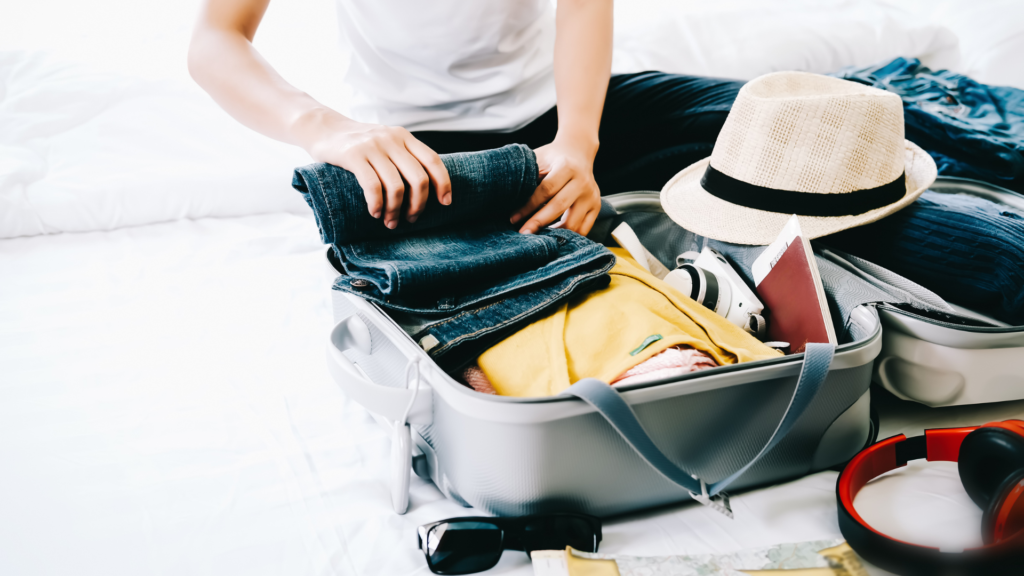
Long-term travel can be an exhilarating experience, but it requires careful planning and strategic packing. To ensure a successful journey, travellers should focus on packing only essentials that enhance comfort and flexibility while minimising bulk. Choosing versatile clothing, efficient packing organisers, and high-quality travel accessories can significantly ease the challenges that come with extended trips.
Planning ahead is crucial, as space is often limited in luggage. Proper packing tips, such as rolling clothes instead of folding, can help maximise space and reduce wrinkles. Additionally, creating a packing list tailored to the specific destinations and activities can prevent overpacking and ensure that vital items are not forgotten.
Understanding the importance of packing smartly for long-term travel is key. By prioritising practicality and adaptability, travellers can enjoy their adventures without the stress of excess baggage or missing essentials. With the right approach, the journey can be as rewarding as the destination.
Planning Your Packing Strategy
Implementing a well-organised packing strategy can make long-term travel more manageable and enjoyable. Careful consideration of items, luggage options, and airline policies is essential to ensure preparedness and comfort throughout the journey.
Creating a Comprehensive Travel Packing List
A robust travel packing list serves as a foundation for efficient packing. Begin by categorising items into sections: clothing, toiletries, electronics, and essentials.
Clothing should reflect the climate and activities planned. Include versatile pieces that can be mixed and matched. Toiletries need careful selection; opt for travel-sized items to save space.
It’s beneficial to use compression bags for clothing to maximise space. Additionally, having a packing checklist helps ensure nothing is overlooked. Regularly update the list based on experiences and destinations to enhance future travels.
Selecting the Right Travel Backpack and Luggage
Choosing suitable luggage is crucial for long-term travel. A travel backpack should be durable, lightweight, and comfortable. Look for features like adjustable straps, a padded back, and ample storage pockets.
If planning to check in luggage, a hard-shell case can provide additional protection for belongings. Ensure that the luggage meets airline size and weight restrictions to avoid extra fees.
A blend of a carry-on backpack and checked luggage often offers the best balance, facilitating easy access to essential items while travelling.
Understanding Airline Luggage Policies
Familiarising oneself with various airline luggage policies helps avoid surprises at the airport. Each airline has specific rules regarding the weight and dimensions of both checked and carry-on luggage.
Carry-on bags typically must be under 55 cm x 40 cm x 20 cm.
Checking procedures involve discerning the number of bags allowed and whether weight limits apply.
Investing time in understanding these policies can save costly fees and ensure a smoother travel experience. Keep printed or digital copies of policies handy, just in case clarification is needed during check-in.
Packing Essentials for Comfort and Convenience
To ensure a pleasant and hassle-free travel experience, it is vital to select items that enhance comfort and convenience. The right accessories, organisation tools, and electronic devices play a significant role in achieving this during long-term travel.
Ensuring Travel Comfort with the Right Accessories
Comfort is paramount during long journeys. A quality travel pillow can significantly enhance sleep quality. Look for designs that support the neck properly and are easily portable.
Earplugs are essential for blocking out noise on flights or in hostels, helping maintain peace. A lightweight daypack allows for easy access to essentials while exploring. Choose one that is comfortable to wear and fits your travel style.
Carrying a reusable water bottle not only keeps hydration levels up but also promotes sustainability. Many bottles come with insulation, keeping drinks hot or cold for extended periods.
Staying Organised with Packing Cubes and Compression Bags
Packing cubes and compression bags can maximise luggage space while keeping belongings organised. Using packing cubes allows items to be sorted by category, such as clothing or toiletries. This speeds up packing and unpacking, essential during a busy travel schedule.
Compression bags further reduce bulk by removing excess air from packed clothes. They are particularly useful for bulky items like jackets or sweaters.
Both tools can be accompanied by labelled tags for quick identification. This level of organisation reduces stress and enhances efficiency, crucial for long-term trips.
Prioritising Gadgets and Electronic Devices
In today’s digital age, having the right gadgets can simplify travel tremendously. A lightweight laptop, tablet, or smartphone can keep one connected to home and facilitate entertainment during downtimes.
Investing in an international SIM card ensures constant connectivity without incurring high roaming charges. This is especially useful for accessing maps, translation apps, or travel information.
Portable chargers are essential since finding power outlets can be challenging. Selecting gadgets that serve multiple purposes, such as a tablet for reading and web browsing, optimises space while providing necessary functionality.
Personal Care and Health Preparations
Preparing for long-term travel involves careful consideration of personal care and health. A well-stocked first-aid kit and appropriate items for skin protection play vital roles in ensuring a safe and enjoyable journey.
Assembling a Travel-Specific First-Aid Kit
Creating a travel-specific first-aid kit is essential for addressing minor health issues. Include the following items:
- Adhesive bandages in various sizes for cuts and scrapes.
- Antiseptic wipes to cleanse wounds.
- Gauze pads and tape for more serious injuries.
- Pain relief medication such as paracetamol or ibuprofen.
- Allergy medication to mitigate allergic reactions.
Alongside these basics, consider packing specific medications tailored to individual health needs. Customising the kit can make a significant difference in emergencies. It is also advisable to carry a copy of any prescriptions, especially for significant medical conditions.
Protecting Your Skin and Health in Varied Climates
Skin protection is crucial when travelling to different climates. Using sunscreen with at least SPF 30 helps prevent sunburn in sunny destinations. Frequent application every two hours, or more often if swimming, is recommended.
In addition to sunscreen, keeping skin hydrated is important. Carry a moisturising cream and lip balm to combat dryness or irritation. Hand cream is also beneficial, especially in colder, drier environments.
To prevent exposure to mosquitoes and other insects, apply mosquito repellent containing DEET or picaridin. This is especially vital in tropical areas where insect-borne diseases may be prevalent. A well-rounded approach to skin and health care can enhance the travel experience significantly.
Clothes and Footwear for Various Destinations
Packing the right clothes and footwear is essential for long-term travel. Consideration of climate and activities is crucial for ensuring comfort and functionality.
Choosing Versatile Clothing for Different Weather Conditions
Selecting clothing that adapts to various climates is key. Layering is a practical approach, allowing for adjustments as the weather changes. A lightweight fleece is ideal for cooler evenings, while breathable fabrics keep the wearer comfortable in warmer temperatures.
For destinations with diverse climates, include:
- T-Shirts: Easy to layer and suitable for warm weather.
- Long-Sleeve Shirts: Provide protection from the sun and can be worn in cooler weather.
- Bathing Suit: Essential for beach destinations or hotels with pools.
Accessories such as a sun hat and sunglasses enhance comfort and protection. Choosing moisture-wicking clothing can also be beneficial for active travellers.
Selecting Footwear for Comfort and Functionality
Footwear should prioritise comfort, durability, and suitability for various activities. Comfortable walking shoes are essential for day-to-day exploration. They should provide good support and cushioning for extensive walking or hiking.
Consider packing:
- Flip Flops: Useful for beach days and casual wear.
- Hiking Boots: Necessary for any outdoor adventures in rough terrain.
- Dress Shoes: For any formal occasions or nicer outings.
Selecting the right footwear can significantly impact the travel experience. Ensure each pair serves a purpose and fits well to avoid discomfort during long journeys.