
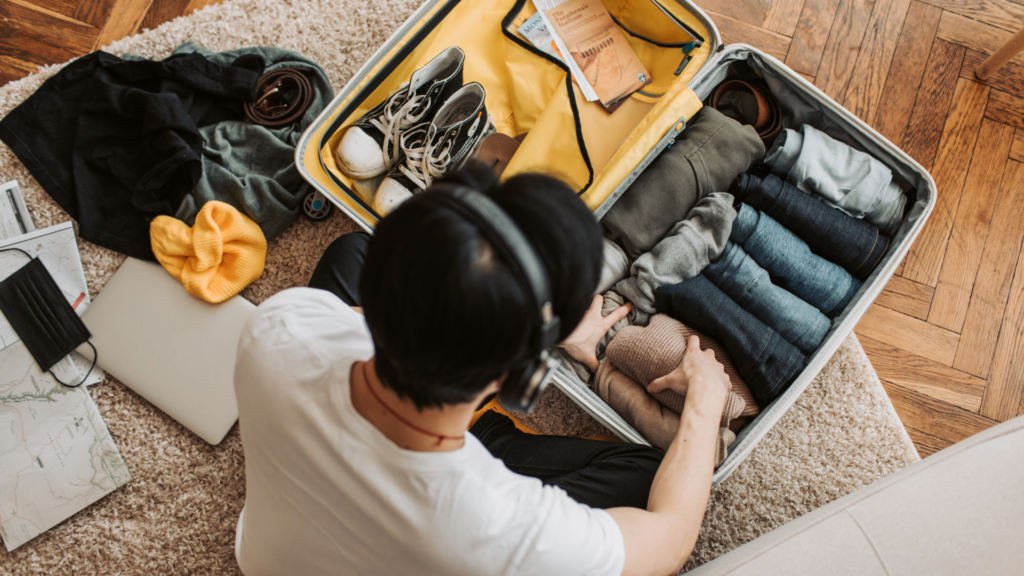
Travelling light is a skill that can enhance comfort and ease throughout your trip. To travel without overpacking, focus on choosing versatile clothing, limiting accessories, and planning outfits ahead rather than packing everything “just in case.”
A smaller, well-organised bag can simplify movement through airports and reduce the stress of managing heavy luggage. Understanding what you truly need allows you to pack smarter, not more.
This approach not only saves space but also makes your travel experience more enjoyable by eliminating unnecessary weight and clutter.
Understanding Overpacking
Overpacking often involves bringing more items than necessary, leading to heavier and bulkier luggage. This causes inconvenience during travel and affects overall mobility and cost. Recognising common mistakes and the effects of heavy bags can encourage more efficient packing choices.
Common Overpacking Pitfalls
Many travellers pack for “just in case” scenarios, which leads to carrying unnecessary clothing and items. This often includes multiple shoes, duplicate electronics, and excessive toiletries.
A habitual mistake is ignoring the actual duration of the trip, packing as if it were twice as long. Another frequent error is underestimating the availability of services at the destination, such as laundry or stores where essentials can be purchased.
Packing too many “what-if” items results in luggage that is difficult to manage and can slow down the entire travel process. Avoiding this requiresan honest assessment of travel needs and destinations.
Impact of Excess Luggage on Travel
Heavy luggage increases physical strain, making transportation through airports, public transit, or walking difficult. It limits mobility and may reduce the enjoyment of activities that require ease of movement.
Airlines impose extra fees for overweight bags, which can significantly add to travel expenses. Larger bags also increase the chance of delays during check-in and security.
Besides costs, excess luggage can lead to lost or damaged items, especially when bags are bulky and hard to handle. This creates stress and complicates travel logistics.
Benefits of Packing Light
TTravellerswho pack light gain flexibility to move quickly between locations and use diverse transportation options. Lighter luggage fits easily in overhead compartments and storage areas, minimising hassle.
Reducing baggage size and weight often leads to savings on airline fees and less risk of damage. It also encourages mindful travel, where only essential and versatile items are brought along.
Overall, packing light enhances comfort and reduces stress, allowing travellers to focus more on their experience rather than managing their belongings.
Pre-Trip Planning for Efficient Packing
Packing efficiently begins with gathering precise information and making focused decisions. Knowing the weather, activities, and must-have items reduces excess baggage.
Researching Climate and Destination Needs
Start by checking detailed weather forecasts for your travel dates, including temperature ranges and precipitation chances. Note any unexpected weather patterns like rain or cold snaps that require specific gear.
Consider the type of activities planned. Hiking demands different clothing than city tours. Check if accommodations provide laundry services. This factor influences how many clothes you need to bring.
Also, research cultural norms and local customs. Some destinations require modest attire or specific footwear, which helps tailor your packing list. Prioritise items based on what you will actually use according to the climate and activities.
Creating a Streamlined Packing List
Write down essentials first: travel documents, medications, and chargers. Then add clothing items suited to the climate. Limit shoes to 2-3 versatile pairs: one casual, one dressy, and one activity-specific.
Use categories like toiletry, electronics, and accessories. This helps avoid duplication and keeps the list concise. Review and cut items that serve similar purposes or are non-essential.
Digitise your list for easy editing and updates. Apps or spreadsheets work well. Before finalising, simulate packing to ensure everything fits within your luggage limits.
Selecting Versatile Clothing
Choose clothes that mix and match easily in neutral colours. A few well-made basics can create multiple outfits. Pick fabrics that resist wrinkles and dry quickly.
Layering pieces is essential. For example, a lightweight jacket works for cold mornings and cool evenings. Multipurpose items, such as a scarf or convertible pants, increase flexibility.
Avoid bulky items unless absolutely necessary. Clothes that transition from day to night reduce the need for extra options. Plan outfits around your activities so you carry the minimum.
Smart Packing Strategies
Packing efficiently depends on selecting appropriate luggage, using space-saving folding methods, and organising with helpful tools. Each choice directly impacts how much you can bring without overpacking.
Choosing the Right Luggage Size
Selecting luggage that matches your trip length prevents carrying unnecessary items. For trips under a week, a carry-on-sized suitcase or travel backpack around 20-22 inches is ideal. It limits what you bring and avoids checked baggage fees.
Consider lightweight and durable materials like polycarbonate or ballistic nylon to reduce weight. Expandable bags offer flexibility but can tempt overpacking, so use the feature cautiously.
Look for compartments that separate shoes, electronics, and clothing. This helps keep belongings organised and accessible without digging through everything.
Rolling vs. Folding Techniques
Rolling clothes tightly reduces wrinkles and maximises suitcase space by compacting fabric layers. This works well for soft, casual items like t-shirts, jeans, and workout wear.
Folding works better for structured pieces such as button-down shirts and blazers to maintain shape. Use a flat surface to fold garments evenly and avoid creases.
A hybrid method often works best: roll most items and neatly fold a few key pieces. Test packing combinations before your trip to find what fits nicely and minimises wrinkles.
Maximising Storage with Packing Cubes
Packing cubes compress clothes and create distinct sections inside luggage. They help separate categories like underwear, tops, and bottoms for easy access.
Use different-sized cubes to match your clothing types. For example, small cubes suit socks and accessories, while medium cubes hold shirts or pants.
Compression cubes further reduce bulk by squeezing air out with zippers, gaining extra space. Colour-coding cubes streamlines unpacking and finding items quickly during travel. Organised packing cubes make it easier to track what you have and prevent adding unnecessary extras.
How to Minimise Toiletries and Accessories
Choosing versatile products, adhering to liquid restrictions, and carefully selecting necessary accessories can significantly reduce what you carry. Simplifying your toiletry bag means prioritising items that serve multiple purposes and avoiding bulk.
Packing Multi-Use Products
Opt for items that combine several functions. For example, choose a moisturiser with SPF to hydrate and protect from the sun. A shampoo and conditioner combo saves space and weight.
Consider solid toiletries like bar soap, shampoo bars, or solid deodorants. These avoid liquid limits and last longer. Toothpaste tablets and multipurpose balm for lips and skin also reduce the number of products.
Multi-use products reduce the total volume you pack, making your bag lighter without sacrificing functionality. Prioritise travel-sized options or decant regular products into small reusable containers.
Limitations on Liquids and Gels
Airline regulations typically limit liquids and gels to containers no larger than 3.4 ounces (100 ml), all fitting in a single quart-sized bag. This requires thoughtful packing of essential liquids to meet these restrictions.
Select products that perform well in small amounts. Solid alternatives or wipes can replace many gels and liquids without falling foul of the rules.
Fill travel-sized bottles carefully; avoid overpacking to save space. Keep your quart-sized bag accessible for security checks to avoid delays.
Selecting Essential Accessories
Choose only the accessories that serve a distinct purpose. A compact toothbrush and a razor with replaceable blades minimise bulk. Skip extras like multiple hairbrushes or large makeup kits.
Bring a microfiber towel instead of a bulky regular one. Use a small zip pouch for organisation, but avoid oversized pouches that duplicate your bag’s space.
Assess accessories by necessity and size, prioritising those that improve hygiene or convenience without adding weight or volume.
Essential Travel Items: What You Really Need
Packing smart means focusing on items that serve multiple purposes and cutting out anything unnecessary. Prioritise practical essentials that keep you comfortable, connected, and prepared.
Must-Have Items for Every Trip
Start with a versatile wardrobe: choose 3-4 tops and 2 bottoms that mix and match well. Include a lightweight jacket for changing weather.
Bring travel-sized toiletries and limit electronics to your phone, charger, and headphones. A compact first aid kit, travel documents (passport, tickets), and a reusable water bottle are crucial.
A small daypack or crossbody bag can carry your essentials on the go. Don’t forget a universal adapter if you’re travelling internationally.
Items to Leave Behind
Avoid packing bulky shoes; stick to one pair of comfortable walking shoes and one pair of sandals or dress shoes if needed. Ditch full-sized toiletries; they add unnecessary weight.
Skip unnecessary gadgets and chargers unless they are essential for work or health. Excessive clothing for every occasion usually isn’t needed unless on a formal trip.
Leave heavy books or multiple electronic devices at home. You can download e-books or use apps instead. Avoid bringing duplicates, such as multiple hats or too many accessories.
Handling Laundry and Rewearing Clothes
Efficiently managing laundry during travel helps reduce the number of items you need to pack. Knowing what to bring and how to stay fresh extends your wardrobe, saving space and weight in your luggage.
Packing for Laundry Access
Bring a compact laundry kit: a small bottle of detergent, a travel sink stopper, and a laundry bag. This allows for quick handwashing in sinks or tubs, preventing the need for bulky clothing.
Choose quick-drying fabrics like merino wool or synthetic blends. These dry faster and resistors, so you can rewear them sooner without discomfort.
Research your accommodation beforehand. If there’s on-site laundry or nearby laundromats, you can pack fewer items, planning to wash mid-trip instead of carrying excess clothes.
Tips for Staying Fresh on the Go
Rotate your clothes strategically. Use layerable pieces and alternate shirts or undergarments daily to avoid wearing anything too long without washing.
Use fabric sprays or wipes to freshen garments between washes. Target the underarm and collar areas to help reduce odours.
Allow worn clothes to air out during the day. Hanging items in the sun or a well-ventilated space helps reduce bacteria and smells before reuse.
Adapting Your Packing for Different Trip Lengths
Packing strategies vary significantly based on how long you will be away. Choosing the right amount and type of clothing and essentials helps avoid bulk and unnecessary items without sacrificing preparedness.
Short Trips: Weekend Getaways
For weekend trips, focus on versatility and minimalism. Pack 2-3 outfits that can be mixed and matched. Include one pair of comfortable shoes suitable for multiple settings.
Limit toiletries to travel-sized essentials and avoid bulky containers. Use packing cubes or compression bags to save space. A lightweight jacket ideal for the climate is usually sufficient.
Electronics should be kept minimal—usually just a phone, charger, and possibly a compact camera. Leave behind items that can be easily sourced at your destination, such as hair dryers or extra accessories.
Long-Term Travel Solutions
Longer trips require strategic planning to balance load and variety. Pack a capsule wardrobe of 5-7 tops, 3-4 bottoms, and layering pieces like cardigans or jackets, focusing on neutral colours to maximise outfit combinations.
Bring quick-drying fabrics to ease laundry needs and reduce the number of clothes. Include a compact laundry kit (soap sheets, a sink stopper) to wash clothes during downtime.
Limit shoes to two pairs: one for walking and one for formal or weather-specific needs. Add multifunctional tools such as a reusable water bottle, a travel towel, and a universal adapter to cover needs without overpacking.
Prioritise lightweight bags and utilise organisational tools to distribute weight evenly and allow flexibility for souvenirs or additional items picked up during travel.
Avoiding Last-Minute Packing Mistakes
Effective preparation prevents common packing errors that lead to overpacking or forgetting important items. Focusing on confirming key belongings and having a clear checklist streamlines the process and reduces stress.
Double-Checking Essentials
Before leaving, review the most important items: identification, travel documents, medications, chargers, and a minimal set of clothing. Prioritise versatility in clothing to avoid unnecessary duplicates.
Make a quick inventory focusing on items you cannot replace easily while travelling. Confirm that chargers fit your devices and that you havethe necessary adapters if going abroad.
Check your toiletry bag for basics only—travel-sized hygiene products and any medication. Avoid overpacking by limiting extras that can be bought at your destination.
Using a Departure Day Checklist
Create a departure day checklist that includes last-minute necessities like wallets, keys, phone, and travel tickets. This list should be concise and easy to scan.
Organise the checklist into categories such as documents, electronics, and personal items. Review this list immediately before leaving to catch anything you might have missed.
Keep the checklist accessible, like on your phone or a printed note near the door. This prevents rushing and reduces the chance of forgetting critical items in the final moments.
Sustainable and Conscious Packing Choices
Choosing the right materials and habits for packing reduces environmental impact and waste. Focusing on what you bring and how you use it during travel can make a significant difference.
Eco-Friendly Packing Materials
Select packing items made from natural fibres like organic cotton, hemp, or bamboo. These materials are biodegradable and have a smaller carbon footprint compared to synthetic fabrics.
Use reusable packing cubes and bags made from recycled or sustainable materials instead of plastic ones. Avoid single-use plastic bags entirely. Lightweight, durable materials lower overall baggage weight, helping save fuel if you fly.
Consider multitasking items such as clothing that can serve various purposes, which cuts down on volume. Opt for travel-sized containers that are refillable, which prevents buying new plastic bottles often.
Reducing Waste While Travelling
Bring a reusable water bottle, cutlery set, and shopping bag to avoid disposable items on the go. This habit directly minimises trash produced during your trip.
Plan to buy local, unpackaged foods rather than pre-packaged snacks. It reduces packaging waste and supports local economies. Also, pack eco-friendly toiletries in solid or concentrated forms, which create less waste and are more compact.
Dispose of trash responsibly and seek recycling options at your destination. If possible, choose accommodations and transport that engage in sustainable waste practices.
Packing Tips for Special Travel Scenarios
Different travel situations demand specific packing strategies to stay efficient and prepared. Consider your activities, duration, and essential items to minimise bulk while covering all needs.
Business Travel Essentials
Focus on versatile clothing that can transition from meetings to casual settings. Pack two to three dress shirts, a blazer, and wrinkle-resistant pants. Neutral colours are best for mixing and matching.
Include essential tech gear: a laptop, chargers, and a portable battery. Keep a slim toiletry kit with travel-sized items. Use packing cubes toorganisee and compress items, saving space in your carry-on.
Don’t forget items like business cards and a notebook. Shoes should be limited to one pair of formal shoes and one casual pair, depending on your schedule.
Family Trip Considerations
For families, prioritise packing light with essentials for each member. Use a packing checklist to avoid duplicate items like chargers or toiletries. Pack clothing that layers easily to adapt to weather changes.
Bring only one or two pairs of shoes per person. Distribute kid gear across bags to balance weight. Consider compact, refillable toiletry bottles and multipurpose items for children to reduce bulk.
A collapsible stroller or foldable bags can help with mobility. Keep snacks and small activities accessible to ease travel stress.
Outdoor Adventures Packing
Pack gear that is durable, lightweight, and weather-appropriate. Focus on layers, moisture-wicking fabrics, and compact rain protection like a poncho or shell jacket.
Limit footwear to sturdy hiking boots and an extra pair of socks. A small first aid kit and multi-tool are critical. Use waterproof dry bags to protect electronics and important documents.
Prioritise items serving multiple functions, such as a buff that works as headwear or a towel. Pack onlythe necessary cooking and camping supplies to avoid extra weight.