
Living a nomadic lifestyle offers a unique blend of freedom and adventure that many find appealing. Those who embrace this way of life can explore diverse cultures, environments, and communities. The pros of living as a nomad include the opportunity to travel continuously, gain new experiences, and develop adaptability.
Yet, this lifestyle is not without its challenges. Individuals often face instability, a lack of consistent social connections, and logistical hurdles such as finding reliable accommodation and managing finances. The balance between excitement and uncertainty defines the nomadic experience.
Understanding both the positive and negative aspects can help potential nomads make informed choices. It is essential for anyone considering this lifestyle to weigh the benefits against the drawbacks to determine if it aligns with their goals and values.
Understanding Nomadic Lifestyle
The nomadic lifestyle encompasses a range of living arrangements centred around mobility and adaptability. It has evolved significantly, particularly with technological advances, allowing individuals to pursue their passions while travelling.
Definition and Evolution of Nomadism
Nomadism refers to a way of life characterised by regular movement. Historically, this meant migrating in search of food, water, and shelter. Today, nomadic lifestyles often involve moving to new locations for work, leisure, or personal growth.
The rise of remote work has transformed traditional concepts of nomadism. Digital nomads now leverage technology to perform their jobs from anywhere in the world. This shift has opened opportunities for individuals to explore diverse cultures and environments while maintaining their careers.
Traits of a Nomadic Lifestyle
Nomadic lifestyles are defined by certain traits that distinguish them from more stationary living. Key characteristics include:
- Flexibility: The ability to adapt to new environments and situations is crucial.
- Independence: Many nomads enjoy a sense of freedom that comes with travelling regularly.
- Minimalism: A focus on essential belongings simplifies life and reduces clutter.
Remote work plays a vital role in supporting this lifestyle. With reliable internet access, individuals can connect to colleagues or clients globally, making it feasible to live in various locations without sacrificing career goals. This blend of travel and work culture highlights the evolving nature of nomadism.
Pros of Living as a Nomad
Living as a nomad presents a variety of benefits that appeal to many. Key advantages include enriching travel experiences, a strong sense of independence, the chance to network and build community, and greater opportunities for remote work.
Enriching Travel Experiences
A nomadic lifestyle offers unparalleled travel experiences. Each new location provides a chance to immerse oneself in different cultures, cuisines, and landscapes. Nomads often discover hidden gems off the usual tourist path.
Adventure takes precedence, and each journey can lead to unexpected encounters. Whether it’s hiking a remote trail or enjoying local festivals, the variety keeps life exciting.
This lifestyle can vary significantly from one nomad to another. Some choose short stays, moving from place to place within a day or a few nights, often relying on hostels, guesthouses, or budget accommodations that offer flexibility and convenience. Others prefer a more mobile setup, making an RV or camper van their primary home while traveling, which allows them to carry their living space wherever they go.
For longer stays, many opt for more comfortable arrangements such as serviced or luxury apartments philadelphia, or elsewhere. These provide a stable living environment with added amenities, making it easier to balance work, rest, and exploration over extended periods. This flexibility in living choices allows nomads to adapt their lifestyle based on duration, budget, and personal comfort, creating a dynamic way of experiencing the world.
Independence and Flexibility
Independence is a hallmark of the nomadic lifestyle. With no fixed home, individuals can make spontaneous decisions about their next destination. This flexibility allows for living in locations that best suit their needs, whether that’s a bustling city or a quiet beach.
Nomads manage their schedules, balancing work and leisure according to their preference. They benefit from the freedom to choose how to spend their days, often crafting a highly personalised routine.
Nowadays, many devices help support the nomadic lifestyle, from systems that manage energy to tools that keep travelers connected and organized. For example, certain power management solutions, such as DC to DC chargers, can allow electronics and appliances to stay functional on the road by safely transferring energy between batteries. These technologies make it possible for nomads to remain self-sufficient and maintain their routines even in remote, off-grid locations.
Networking and Community Building
Living as a nomad opens avenues for meeting diverse people. Every new place offers opportunities to connect with locals and fellow travellers. This networking expands professional circles and fosters friendships worldwide.
Many nomads join communities in coworking spaces or attend local events. These settings encourage collaboration and exchange of ideas, which can enhance personal and professional development.
Building a global network can lead to new opportunities, both in career and life experiences. The relationships formed while travelling can often turn into lifelong connections.
Opportunities for Remote Work
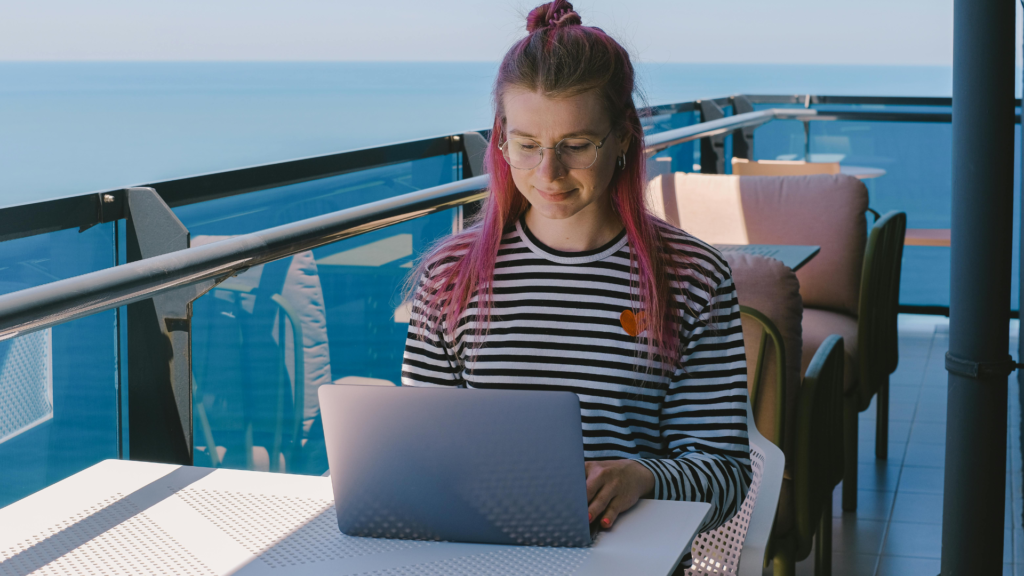
The rise of remote work has made the nomadic lifestyle more viable than ever. Many individuals can now work from anywhere with just a laptop and a stable internet connection.
Coworking spaces provide productive environments tailored for remote workers. They offer amenities such as reliable Wi-Fi and networking events, which can help maintain professional focus.
This flexibility enables individuals to earn income while exploring new places. The ability to balance travel with work responsibilities is appealing and can lead to greater job satisfaction.
Cons of a Nomadic Lifestyle
Living a nomadic lifestyle presents several challenges that can impact one’s experience significantly. Key concerns include difficulties in establishing relationships, issues with internet connectivity, finding suitable accommodation, and the risk of burnout. Each of these factors can detract from the overall enjoyment of a nomadic existence.
Challenges in Building Relationships
Forming and maintaining relationships can prove difficult for those leading a nomadic lifestyle. Frequent relocations often hinder opportunities for meaningful connections. Temporary living arrangements limit the time available to develop friendships, leading to feelings of isolation.
Furthermore, the transient nature of interactions may result in shallow connections. Each new environment requires adapting to different social dynamics and cultural norms. This constant adjustment can be exhausting, discouraging individuals from investing time in relationships.
For long-term nomads, missing out on celebrations, milestones, or support systems back home may deepen the sense of loneliness. The inability to share experiences consistently with close friends can detract from the enjoyment of new adventures.
Issues with Internet Connectivity
Reliable internet access is crucial for those on a nomadic journey, yet it can be unpredictable. Many remote locations lack adequate connectivity, making it challenging to work or stay in touch with loved ones. This inconsistency creates frustration, especially for digital nomads relying on the internet for income.
Even in urban areas, the quality of internet service can vary. Finding the right café or co-working space often becomes a daily task rather than a pleasure. Additionally, dealing with inconsistent or slow connections can hinder productivity and lead to missed opportunities.
Moreover, this dependence on technology can make individuals feel tethered to their devices rather than fully experiencing their surroundings. Balancing connectivity with immersion in local culture can be a persistent struggle.
Finding Suitable Accommodation
Searching for suitable accommodation can become a significant challenge for nomads. The demand for short-term rentals often exceeds supply in popular locations, leading to inflated prices. Individuals may find themselves in less-than-ideal living situations, risking comfort and security.
Many nomads rely on platforms that connect them with short-term rentals. However, the quality and reliability of these listings can vary greatly. Discrepancies between online descriptions and actual conditions may result in disappointing experiences.
Additionally, the need for flexibility can complicate finding accommodations. Last-minute bookings may further increase costs or limit options, leaving individuals feeling uncertain about their living arrangements. Such instability can lead to stress and frustration.
The Risk of Burnout
The constant movement inherent in a nomadic lifestyle can lead to burnout if not managed effectively. The excitement of exploring new places can quickly diminish if one feels the pressure to keep moving. This relentless pace can cause physical and mental fatigue.
Maintaining a travel schedule requires considerable planning and energy. Nomads may feel compelled to constantly seek new experiences, leading to a sense of obligation rather than enjoyment. As a result, they may overlook the importance of rest and downtime.
Moreover, the lack of a stable routine can contribute to feelings of unease. Without a consistent environment, it’s easy for individuals to become overwhelmed. Prioritising self-care and downtime is essential to avoid the pitfalls of a nomadic lifestyle.